Damascus, Syria ยท A campaign for free expression
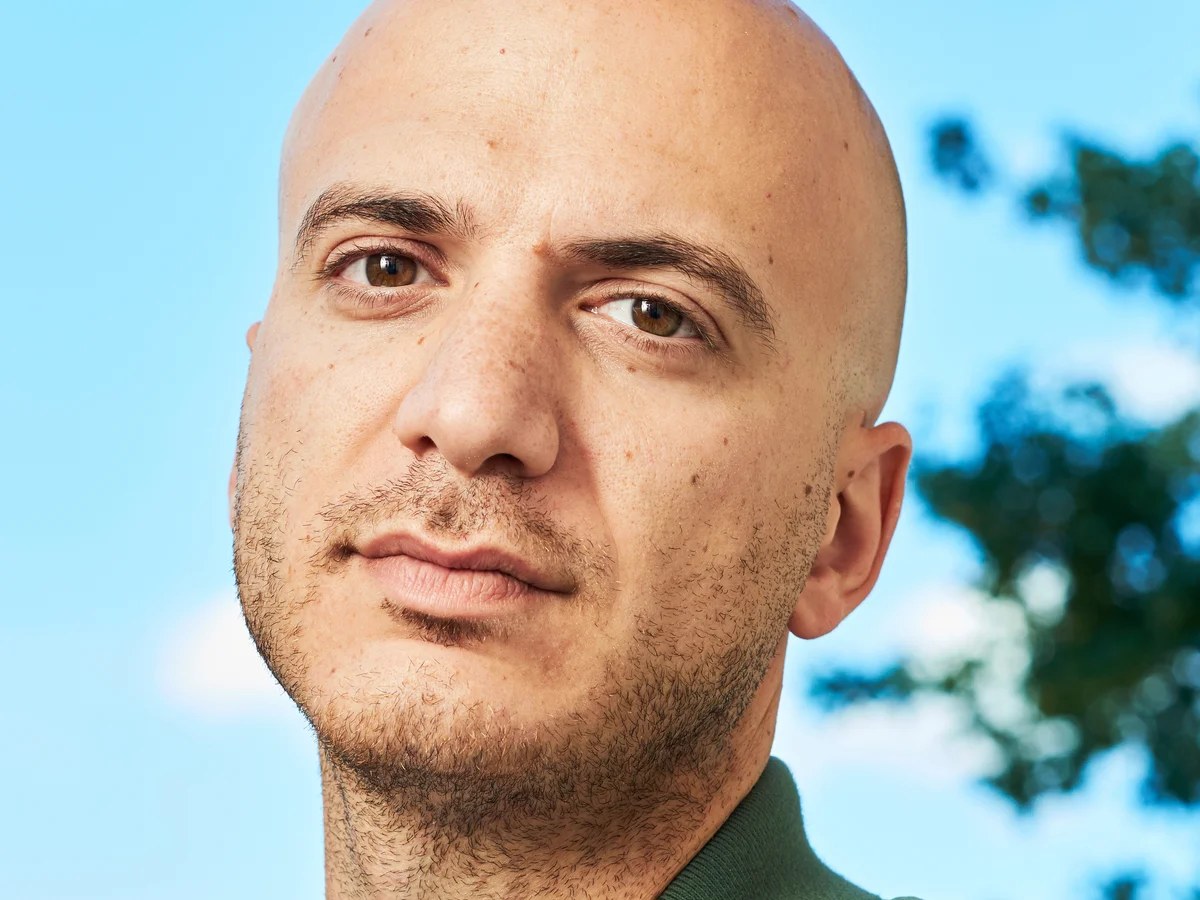
A BAFTA-winning filmmaker and former refugee, Hassan returned home to Syria and started asking a simple question: where did the reconstruction donations go? For that, he is now being pursued under an Assad-era cyber-crime law. We are calling for the case to be dropped, his safety guaranteed, and the right to ask questions protected.
Serious advocacy requires honest evidence. We separate what is verified by reporting and official statements from what is reported but not yet confirmed โ because credibility is the foundation of this campaign.
This is bigger than one filmmaker. It is a test of whether the new Syria protects the right to ask hard questions โ or punishes it.
Asking where public donations went is journalism, not a crime. Peaceful speech should never be met with prosecution.
Donations pledged for rebuilding Syria belong to the public. Where the money went should be answerable โ openly.
Reaching for a cyber-crime law written under the old regime to silence a critic betrays the revolution that promised something better.
All developments are dated, sourced, and labelled by type.
After hours of alarm over lost contact, Hassan posted that he is safe and has a statement about "what happened over the last four days" that he will share once he is secure.
The ministry said the summons stems from Moussa al-Omar's defamation complaint, asked al-Omar to consider withdrawing it, and said it hoped to reach a solution acceptable to both sides.
International coverage frames Hassan's case within the wider fight over corruption, free expression, and what kind of state post-Assad Syria will become.
Sign the pledge, share his story with journalists and policymakers, and download the media kit to help spread accurate information.